Sustainable Systems for Wedding Photographers
Think of this as your behind-the-scenes manual to running a wedding photography business without losing your sanity. HoneyBook hacks, sustainable systems, and a little bit of sass — all in one place.
what you'll find here:
systems + workflows
CHRONIC ILLNESS
MARKETING
HONEYBOOK
WEDDING DAZE
Is Your Photographer Self Care Plan Actually Sustainable Through Back-to-Back Wedding Weekends?
August 18, 2026
Self care gets a bad reputation in the photography industry.
Either it’s treated like a luxury you’ll get to eventually — after the editing backlog clears, after peak season, after things slow down — or it’s reduced to something so generic it’s useless in the big picture of actual rest. Take a bath. Journal. Go for a walk.
The problem isn’t that those things are bad. It’s that they’re not built for a schedule that has you shooting ten-hour days on Saturdays, editing until midnight on Tuesdays, and managing client communication in every gap in between. Photographer self care that actually works during peak season has to be built differently — around your actual schedule, your actual energy demands, and the specific ways this job depletes you.
Today’s post talks about what that looks like.
Read this before you scroll
Here’s what this post covers so you can decide if it’s worth your time:
- Why generic photographer self care advice doesn’t work for wedding photographers specifically
- The physical, cognitive, and emotional demands that are unique to this job
- What sustainable self care actually looks like during back-to-back weekends
- The recovery habits that hold up when you’re shooting every Saturday through October
- How to build self care into your schedule before peak season fills it
Why Generic Photographer Self Care Advice Doesn’t Work for This Job
Most self care content is written for people with nine-to-five schedules and predictable weeks. Wedding photographers don’t have that luxury. Your hardest workdays are Saturdays, and your recovery time — if you have any — is mid-week. Your busiest months are the ones when everyone else is on vacation.
That kind of generic advice really underestimates how demanding this job actually is. You’re not just taking photos for ten hours. You’re managing people, making hundreds of creative decisions under pressure, staying emotionally present for one of the most important days of someone’s life, and doing it all on your feet (without a break) in whatever weather shows up.
The depletion at the end of a wedding day isn’t just physical tiredness. It’s cognitive load and emotional labour that don’t get talked about nearly enough, if you ask me.
Photographer self care has to start with an honest accounting of what the job actually costs you.
The Three Types of Depletion Wedding Photographers Experience
Understanding what’s actually draining you makes it easier to figure out what actually restores you. Wedding photography depletes you in three very different ways:
- Physical depletion. Ten-plus hours on your feet, carrying equipment, moving quickly between locations. This one gets talked about, but it’s usually combined with things that help in the short term (caffeine, adrenaline) and make it worse in the long run.
- Cognitive depletion. Continuous decision-making across the entire day — exposure, composition, timing, logistics, problem-solving if (aka: when) things go sideways. By the end of a wedding, your capacity for even simple decisions is genuinely reduced. (This is why I think editing on Sunday after a Saturday wedding is such a bad idea!)
- Emotional depletion. Being fully present for someone’s biggest day requires a kind of emotional attentiveness that is genuinely tiring. Even when it’s a beautiful day with wonderful people, you’ve been holding space for a lot of feelings that aren’t yours — and that takes something out of you.
Recovery that only addresses the physical — sleep, rest — leaves the cognitive and emotional depletion untouched. That’s why you can sleep eight hours after a wedding and still feel like you were hit by a bus on Monday.
What Sustainable Photographer Self Care Actually Looks Like Mid-Season
Let’s get one thing out of the way:
Sustainable doesn’t mean elaborate.
It just means consistently doable — things that can actually happen even when you’re tired, behind, and have seventeen unread emails.
Your new Sunday rule: no editing on the day after a wedding.
Sneak peeks can wait until Monday! Trust me.
This is the single highest-impact change most photographers can make to their peak season recovery. Your work quality will be better when you’re rested, your turnaround doesn’t meaningfully change, and you start the week with something left in your energy tank instead of already running on a deficit.
A genuine wind-down after the wedding day.
Not scrolling your business accounts, not checking emails, not debriefing on Instagram stories.
Do something that helps your nervous system actually shift out of high-alert mode — talk a slow walk, eat food you didn’t have to rush, have a conversation with someone who wasn’t at the wedding. This kind of transition matters so much more than you might think! It’s letting your nervous system know that it’s safe to slow down.
Cognitive recovery mid-week.
This looks different for everyone, but the idea behind it is the same: build something into your week that doesn’t require creative or emotional output. A workout, time outside, read a book, or do something else completely unrelated to your business. Not as a reward for getting enough done — as a non-negotiable part of the week that you’ll treat with the same importance as a booked session.
The Recovery Habits That Actually Hold Up Through Peak Season
The habits that are going to help you survive peak season are the ones that are the easiest to do. Elaborate plans for morning routines and overcomplicated wellness rituals have a reputation of falling apart by July for a reason!
What holds up?
- A hard stop time on weeknights. Not a rough time-frame. A hard stop when you will actively turn your computer off. When you’re editing from 10am-2am consistently, the cognitive load is adding up so much faster than you can recover from it.
- Eat real food on wedding days. This sounds basic, but we all know how hard it can be to eat on a wedding day, which is why it’s one of the most commonly skipped things. The truth is, though, that running on vendor meal scraps and adrenaline is a choice that’s going to make recovery harder and burnout hit so much faster.
- Protect at least one full day off per week. Not a day where you’re off but still available for emails and DM’s, wishing you had a session instead. A whole entire day where you’re not doing business things. Once you’ve done it a few times you’ll see what a huge difference it makes!
How to Build This In Before Peak Season Fills Your Calendar
The most common mistake photographers make is treating self care like it’s something they’ll figure out whenever they have the time. It’s a mistake, because something else is always going to come up. The decisions that protect your energy mid-season need to be made ahead of time, before your calendar is full and every day has something in it.
Block your recovery days before you start taking bookings for the season.
Put them in the calendar like a client appointment. Once peak season starts, those blocks are hard to protect — but if they’re already there, they have a chance of not getting forgotten about.
Look at your workflow and identify the tasks that are taking the most time and energy.
Every hour you spend automating or streamlining something repetitive is an hour of cognitive capacity you get back during peak season. Which means that self care and systems aren’t really separate conversations at all. They’re actually the same one 🙂
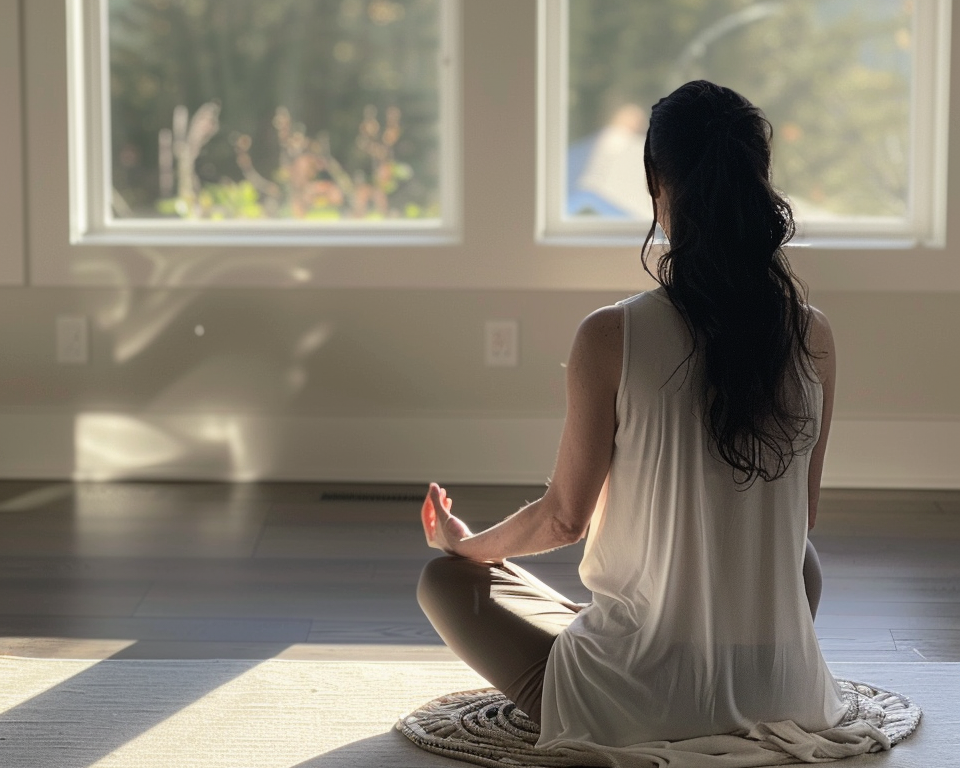
Your Workflow Is Part of Your Self Care Plan
A workflow that requires constant attention and upkeep is a drain on your energy even when you’re not actively working. Every task that lives in your head instead of your system is cognitive load you’re carrying around whether you realize it or not.
The Workflow Review + Strategy Session is a focused one-on-one where we look at your current process end-to-end, find what’s taking more time and energy than it should, and build a clear plan for what to fix. Less mental load means more capacity for the work — and for yourself.
→ Book your Workflow Review + Strategy Session
Frequently Asked Questions
How do wedding photographers take care of themselves during busy season?
The most effective approach is building non-negotiable recovery into your schedule before you even start booking weddings for the new year, but at the very least, before peak season starts. Rest days should be blocked off just like client appointments, we’re putting a hard stop on editing the day after a wedding, and proactively setting aside at least one full day off per week to rest. Self care that has to be chosen every week is never going to happen, but if it’s already on the calendar you’re more likely to stick with it.
What is photographer self care?
For wedding photographers specifically, self care means addressing all three types of depletion the job creates: physical (rest, nutrition, movement), cognitive (protected time away from decision-making), and emotional (genuine transitions after high-intensity days, connection with people outside work). Addressing only one or two of those leaves the others unchecked and doesn’t have you bouncing back at your best for your next wedding.
Why do wedding photographers burn out so easily?
Because the job combines physical endurance, non-stop creative decision-making, and emotional presence in a day that’s not yours — usually without any kind of real recovery built in between. Most photographers underestimate how the cognitive and emotional parts hit, so they only take time to rest physically. When the other aspects aren’t taken care of, too, it builds up over the season.
How do you recover after a long wedding day?
Prioritize the transition first! Give your nervous system time to shift out of high-alert mode before you do anything else — take a walk, do a meditation on Calm, eat a real meal, have a conversation that has nothing to do with work. Avoid editing, emails, or social media immediately after a wedding, no matter what industry influencers want to tell you. Sneak peeks matter, but rest matters more.
This post may contain affiliate links. If you choose to purchase through them, I may earn a small commission at no additional cost to you.

meet your in-house hype girl.
I'm Sandra — systems strategist and the voice behind Keeping It Candid. I spent years in the wedding industry as a photographer, so I know firsthand what it looks like when the backend of a business is held together with sticky notes and good intentions. I also know what chronic illness adds to that — and how fast everything unravels when your systems can't go on without you.
That's what pushed me to figure out a better way. Now I help wedding photographers build workflows and automations that actually fit their real life — not some idealized version of it. You deserve a business that runs smoothly whether you're thriving or couch-ridden, and doesn't require you to be everywhere at once to hold it together.
